Cash-Out Refinance vs Keep Low Rate Raleigh NC
AI Summary: Cash-Out Refinance vs Keep Low Rate Raleigh NC is a decision many equity-rich homeowners face when they’ve built substantial appreciation but don’t want to lose a historically low mortgage rate. The real question is not “What’s today’s rate?” but “Does accessing equity improve my total financial position?” Certified Mortgage Advisor and Raleigh mortgage lender Kevin Martini helps homeowners evaluate total interest cost, liquidity impact, and long-term wealth positioning — not just monthly payments. The Martini Mortgaeg Group’s fiduciary-style, strategy-first approach differs from banks and national lenders by modeling outcomes specific to Wake County homeowners before recommending any structure.
Cash-Out Refinance vs Keep Low Rate Raleigh NC — Clear Definition for Raleigh Homeowners
This decision compares two paths:
Path 1: Keep your existing low-rate mortgage untouched.
Path 2: Replace it with a new mortgage that allows you to access equity through a cash-out refinance.
The choice exists because many Triangle homeowners secured historically low fixed rates and have since built substantial equity through appreciation and principal paydown.
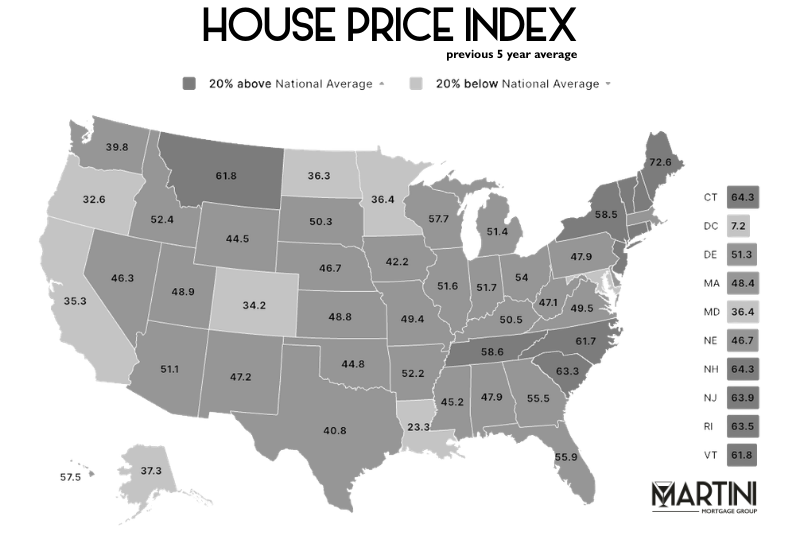
In Wake County specifically, appreciation over the past 5 years has amplified this dilemma. Equity is available — but replacing a low rate feels irreversible.
The core issue is not the rate. It is a total strategy.
Who Cash-Out Refinance vs Keep Low Rate Raleigh NC Is Best For in North Carolina
This decision is most relevant for homeowners who:
- Have owned their home 5+ years
- Have meaningful equity
- Carry higher-interest debt elsewhere
- Are considering renovations, education funding, or investment property
- Value long-term stability over short-term payment changes
North Carolina underwriting guidelines focus on:
- Debt-to-income positioning
- Loan-to-value thresholds
- Occupancy status
- Documentation consistency
Raleigh-area buyers often have strong equity positions but must evaluate whether surrendering a low rate improves total household efficiency.
Short checklist:
- Do you know your current principal balance?
- Do you know your total lifetime interest remaining?
- Do you know your household’s weighted average interest rate across all debts?
If not, the answer isn’t obvious.
Benefits of Cash-Out Refinance vs Keep Low Rate Raleigh NC for Raleigh-Area Buyers
Potential benefits when structured correctly:
- Interest consolidation
Replace higher-interest consumer debt with structured mortgage debt. - Liquidity repositioning
Create flexibility without liquidating investments. - Strategic renovation capital
Improve property value in high-demand Raleigh submarkets. - Investment leverage
Deploy equity into income-producing real estate.
In the Triangle market, strong long-term demand and population growth often influence renovation and investment decisions differently than slower-growth national markets.
But benefits only exist if the math works.
How Cash-Out Refinance vs Keep Low Rate Raleigh NC Works (Step-by-Step)
- Review current mortgage balance and rate.
- Calculate the remaining lifetime interest.
- Identify the total equity position.
- Clarify intended use of funds.
- Model multiple refinance structures.
- Compare total interest over time — not just payment.
- Evaluate liquidity impact.
- Decide based on outcome, not emotion.
What to prepare:
- Most recent mortgage statement
- Income documentation
- List of outstanding debts
- Property tax and insurance details
Local market data changes weekly. For the latest Raleigh and Wake County numbers, request a quick snapshot by calling the Martini Mortgage Group: (919) 238-4934
Costs, Tradeoffs, and What Actually Changes the Outcome
What changes the outcome:
- Time horizon in the home
- Rate spread between the current and proposed loan
- Size of equity withdrawal
- Use of proceeds
What matters less than people think:
- Minor payment fluctuations
- Headlines about national rate predictions
In Raleigh, appreciation expectations and inventory patterns may influence long-term positioning differently than in flat-growth markets.
This is not about winning a rate comparison. It is about optimizing a balance sheet.
Common Misconceptions About Cash-Out Refinance vs Keep Low Rate Raleigh NC
Misconception 1: “If I refinance, I’m automatically losing money.”
Not necessarily. It depends on total cost structure.
Misconception 2: “Keeping a low rate is always safest.”
Safety depends on your broader financial exposure.
Misconception 3: “Home equity is untouchable.”
Equity is an asset. Assets can be deployed strategically.
Misconception 4: “All lenders evaluate this the same way.”
They do not. Many focus on payment, not total interest cost.
Misconception 5: “This is purely a rate decision.”
It’s a strategy decision.
When Cash-Out Refinance vs Keep Low Rate Raleigh NC Makes Sense — and When It Doesn’t
Makes Sense When:
- You are consolidating materially higher-interest debt.
- You are funding value-adding renovations.
- You are repositioning liquidity for long-term wealth growth.
Not Ideal When:
- You plan to sell soon.
- Equity access does not materially improve your balance sheet.
- The new structure increases long-term risk without offsetting benefit.
In fast-growing Wake County submarkets, renovation ROI may look different than national averages.
Local nuance matters.
Mistakes That Cause Delays, Rework, or Regret
Avoid this:
- Pulling equity without a defined purpose
- Comparing only the monthly payment
- Ignoring total interest cost
- Waiting until debt pressure forces urgency
- Failing to model multiple structures
Documentation consistency is especially important in North Carolina underwriting environments.
Precision matters.
How Kevin Martini and Martini Mortgage Group Help
Kevin Martini and the entire Martini Mortgage Group approach every conversation with a fiduciary-style mortgage strategy.
Strategy before structure.
Clarity before commitment.
We model:
- Total interest remaining
- Total interest after refinance
- Liquidity positioning
- Risk exposure
- Break-even timeline
We do this specifically for Raleigh, Cary, Apex, and Wake County homeowners — not generic national averages.
Banks often present one option.
Online lenders often present speed.
We present options, speed, and outcomes.
And then you decide.
TL;DR: Cash-Out Refinance vs Keep Low Rate Raleigh, North Carolina
- Cash-Out Refinance vs Keep Low Rate Raleigh NC is a strategy decision, not a rate decision.
- Raleigh homeowners often have strong equity but low fixed rates.
- The right move depends on total interest cost and liquidity positioning.
- Consolidating high-interest debt can improve overall efficiency.
- Not every equity withdrawal improves your balance sheet.
- Local Wake County dynamics matter.
If you want clarity tailored to your situation —
Schedule a complimentary clarity call.
Frequently Asked Questions: Cash-Out Refinance vs Keep Low Rate Raleigh NC
Should I pursue a Cash-Out Refinance or Keep My Low Mortgage Rate in Raleigh?
Even in Raleigh’s strong growth market, the answer isn’t a default “yes” or “no.” The right choice depends on whether tapping equity improves your total financial position — factoring lifetime interest cost, liquidity needs, and your strategic goals (debt consolidation, renovation, investment, education funding). Keeping a low rate may protect monthly carry, but a well-structured cash-out can optimize your balance sheet if the proceeds are deployed into higher-value or higher-yield opportunities. You still need personalized modeling — rates alone don’t decide the outcome.
Who is a Cash-Out Refinance Best For in Wake County and Who Should Keep Their Current Rate?
A cash-out refinance may be a smart strategy if you:
* Have outstanding higher-interest personal or business debt
*Need capital for renovations that materially increase home value
*Plan to deploy equity toward income-producing property
*Want to consolidate strategically
Keeping your rate typically makes sense if you:
*Plan to sell within a short time horizon
*Don’t have a purposeful use for the equity
*Are comfortable with your current balance sheet and projected cash flows
In Raleigh/Wake County specifically, local appreciation can magnify equity decisions, making it even more critical to model long-term scenarios instead of focusing exclusively on payment changes.
What Are the Actual Financial Tradeoffs Between a Cash-Out Refinance and Keeping My Low Rate?
The real tradeoffs revolve around:
Total interest cost: a new mortgage can reset amortization and increase lifetime interest if not structured wisely.
Liquidity impact: cash-out increases available cash for other goals but reduces future untapped equity.
Risk profile: you replace a historically low fixed rate with a new rate — but you gain strategic capital.
What matters most isn’t the headline rate; it’s how the total cost, timing, and use of proceeds interact with your family’s goals. In Raleigh, strong equity positions make this decision nuanced, not obvious.
How Do I Know if I’m Getting the Best Cash-Out Refinance Option for My Situation?
“Best” isn’t about lowest advertised rate — it’s about fit. A tailored analysis should include:
*Multiple product comparisons (fixed vs hybrid)
*Long-term cost projections
*Break-even timelines
*Liquidity needs
*Tax and investment implications
The best choice varies by household priorities. A Raleigh-focused mortgage strategist can compare actual outcomes across scenarios instead of presenting one generic option.
Best Mortgage Lender in Raleigh for Cash-Out Refinancing