DSCR Loans in Raleigh: A Smart Investor Cash-Flow Strategy
Most real estate investors don’t fail because the deal is bad.
They fail because the financing doesn’t match the strategy.
In Raleigh and across Wake County, investors are facing a modern problem: strong rental demand, rising property values, and tighter traditional underwriting.
That’s where DSCR comes in.
A DSCR loan shifts the focus away from your personal income and toward what actually matters for investors: the property’s cash flow.
This article is your clear, fiduciary-style roadmap to understanding DSCR loans in North Carolina, how they work, and when they make strategic sense.
DSCR Loans in Raleigh — What Every Investor Needs to Know
What are DSCR Loans?
DSCR stands for Debt Service Coverage Ratio.
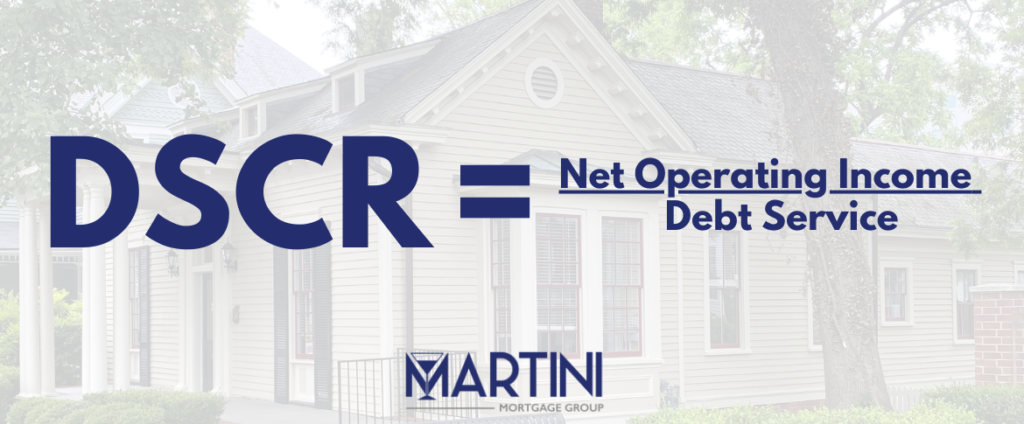
It measures whether a rental property generates enough income to cover its mortgage payment.
The formula is simple:
DSCR = Net Operating Income ÷ Annual Debt Payments
- DSCR ≥ 1.00 → Property covers the mortgage
- DSCR < 1.00 → Property falls short (but may still qualify)
In Raleigh’s investor-heavy market—driven by universities, tech growth, and population inflow—DSCR matters because:
- Rents remain resilient
- Investor demand is steady, not speculative
- Traditional income documentation often limits experienced investors
DSCR aligns financing with how investors actually operate.
Benefits of DSCR Loans for Raleigh Investors
DSCR loans are built for real estate investors—not W-2 borrowers.
Key advantages include:
- No personal income verification
Your tax returns don’t drive approval—property performance does. - Scales with portfolio growth
Ideal for investors expanding beyond conventional loan limits. - Works across Wake County sub-markets
Cary, Apex, Durham, and surrounding areas with strong rent demand. - Entity-friendly options
Many DSCR loans allow LLC or trust ownership. - Flexible DSCR thresholds
Some programs allow DSCR below 1.00 with compensating factors.
How DSCR Works (Plain-English Breakdown)
Here’s how DSCR underwriting actually works:
- Market rent is established
Appraisal or rent schedule confirms realistic income. - Operating expenses are accounted for
Principal, Interest, Taxes, Insurance, and HOA if applicable. - Mortgage payment is calculated
Based on loan amount, rate, and terms. - DSCR is measured
The ratio determines pricing and eligibility.
No pay stubs.
No employment letters.
No explaining why your tax returns look “weird.”
Common Misconceptions About DSCR
Let’s clear up what investors often get wrong:
❌ “DSCR loans are only for commercial buildings”
❌ “You must have perfect credit”
❌ “DSCR below 1.00 means automatic denial”
❌ “Rates always make them a bad deal”
❌ “All lenders structure DSCR the same way”
DSCR success depends far more on strategy and structure than headlines.
When DSCR Makes Sense—and When It Doesn’t
DSCR works best when:
- You’re acquiring or refinancing rental property
- Cash flow is predictable
- Portfolio growth matters more than lowest rate
- Personal income is intentionally minimized
DSCR may not be ideal when:
- You’re house-hacking a primary residence
- You qualify easily for conventional financing
- Short-term holding is the goal
Smart investors choose the right loan—not the trendy one.
How the Martini Mortgage Group Helps
At Martini Mortgage Group, DSCR isn’t treated as a product—it’s treated as a strategy.
What that means for you:
- Fiduciary-style education before numbers
- Clear DSCR modeling—not guesswork
- Same-As-Cash Mortgage Approval when speed matters
- Raleigh-specific insight into rent sustainability
- One-on-one clarity calls—not pressure
This is about building durable investor leverage, not chasing terms.
TL;DR — DSCR Loans in Raleigh
- DSCR loans qualify real estate investors based on property cash flow, not personal income.
- In Raleigh and across North Carolina, strong rental demand makes DSCR a practical financing tool.
- DSCR works best for investors focused on long-term strategy and portfolio growth, not just the lowest rate.
- The right DSCR structure matters as much as the property itself.
- Clarity upfront prevents expensive mistakes later.
If you’re considering a DSCR loan and want to understand whether it truly fits your strategy, the next step is simple:
Schedule a complimentary clarity call with the Martini Mortgage Group.
FAQs About DSCR Loans in Raleigh
What is a DSCR loan, in plain English?
A DSCR loan is a real estate investor mortgage that qualifies you based on whether the property’s income can support the mortgage payment—not your personal income.
At Martini Mortgage Group, we explain DSCR using real numbers before you apply, so you know whether the deal works before underwriting decides.
Do I need to show tax returns or W-2s for a DSCR loan?
In most cases, no. DSCR loans are designed specifically to avoid personal income documentation.
That’s why investors in Raleigh and North Carolina often choose DSCR, especially business owners, self-employed borrowers, and portfolio investors.
What DSCR ratio do I actually need to qualify?
Many investors assume they need a DSCR of 1.00 or higher—but that’s not always true.
Some programs allow:
*DSCR slightly below 1.00
*Lower ratios with larger down payments
*Pricing adjustments instead of denial
The Martini Mortgage Group will review multiple DSCR options side-by-side, so you understand approval odds, pricing impact, and risk tradeoffs—not just the headline rule.
Can I get a DSCR loan under an LLC?
Yes. Many DSCR programs allow LLC or entity ownership, which is common for investors in North Carolina.
However, entity rules vary by lender.
Martini Mortgage Group structures DSCR loans to align with:
*Asset protection goals
*Tax strategy
*Long-term portfolio planning
—not just loan approval.
Are DSCR interest rates higher than conventional loans?
Often, yes—but context matters.
DSCR rates reflect:
*Flexibility (no income docs)
*Investor-focused underwriting
*Portfolio scalability
The question isn’t “Is the rate higher?”
It’s “Does this loan improve your overall return and flexibility?”
That’s the analysis the Martini Mortgage Group walks through with every investor.
Can I use a DSCR loan for short-term or Airbnb rentals?
Sometimes—but it depends on:
*Property location
*Market data
*Income documentation method
*Lender guidelines
In Raleigh and North Carolina, some DSCR programs work for short-term rentals, others do not.
Is DSCR better than a conventional investor loan?
DSCR is not “better” in all cases—it’s different.
DSCR often makes sense when:
*You’re scaling beyond conventional limits
*Personal income doesn’t reflect true cash flow
*You value flexibility over rate optimization
Martini Mortgage Group helps investors compare DSCR vs. conventional side-by-side, so you choose strategically—not emotionally.
How much down payment is required for a DSCR loan?
Down payments typically range from 20% to 30%, depending on:
*Credit profile
*DSCR ratio
*Property type
*Market risk
We model down payment scenarios in advance so you understand how leverage affects:
*Cash flow
*Approval strength
*Long-term risk
What’s the biggest mistake investors make with DSCR loans?
The most common mistake is choosing a DSCR loan only because it’s easier, not because it’s the right fit.
DSCR loans should support:
*A clear investment timeline
*A realistic rent assumption
*A broader portfolio strategy
At Martini Mortgage Group, DSCR starts with strategy, not application
Kevin Martini

Logan Martini

North Carolina Mortgage Guide
